The Finnish way
Finland’s food system is often described through themes such as purity, safety and sustainability. In practice, Finnish agriculture operates within a regulatory and oversight framework covering food safety, animal welfare and environmental requirements. Finland’s natural conditions—including extensive freshwater resources—together with environmental protections and monitoring, form the context in which food production takes place.
Food safety regulation and traceability practices are central to how Finnish food production is organised. Supply chains are supported by documentation and follow‑up, which helps enable traceability across stages of production. The use of veterinary medicines, including antibiotics, is governed by national requirements and veterinary oversight, and the sector focuses on prudent, need‑based use.
Alongside regulation, farms and companies develop their practices over time—covering areas such as animal welfare, feeding strategies and production routines. Together, these requirements and practices provide a framework for food production based on defined requirements and documented processes. In this context, Snellman is one example of how Finnish agricultural raw materials and production practices can be translated into products with clear provenance for international markets.
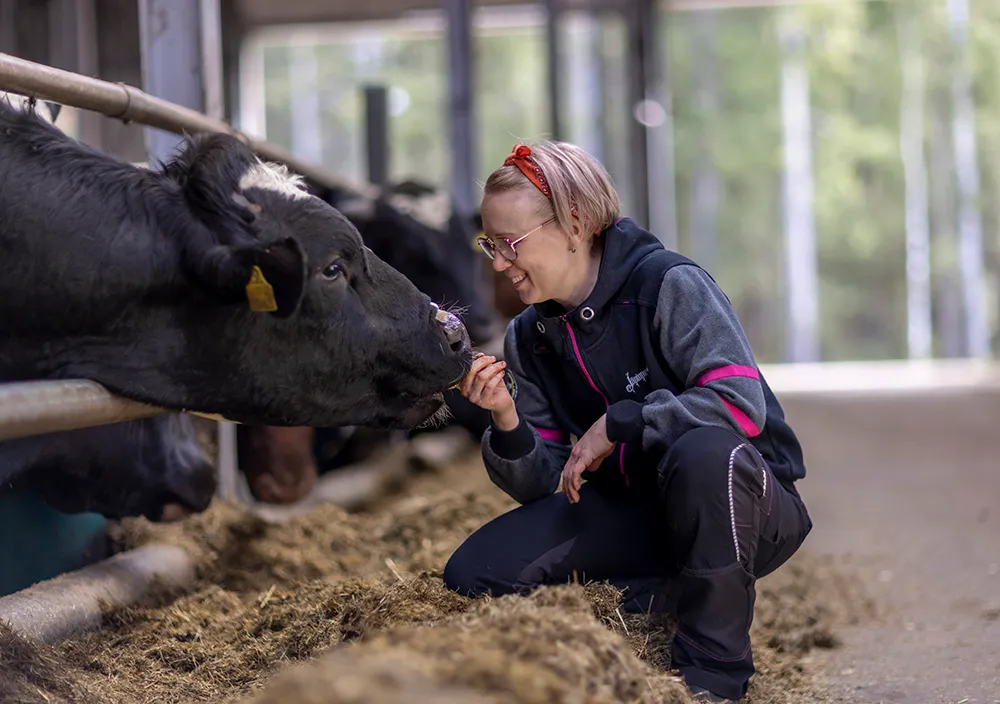
Snellman is a family‑owned company on Finland’s west coast. We build our operations on domestic raw materials, traceability through the chain, and consistent production routines supported by standards, documentation and follow‑up.
By working closely with Finnish farmers, Snellman develops meat production through agreed practices and requirements—covering areas such as animal welfare, feeding and animal health follow‑up. Veterinary medicines are used according to regulations and veterinary guidance, and the chain relies on documentation and oversight to support consistent routines.
We also work with clear recipes and carefully defined use of additives. Additives are used when needed for product function and safety, and product development aims to keep recipes understandable and consistent in everyday use.
Every stage of the production chain is supported by documentation and follow‑up. This can include animal health checks, feeding information, transport documentation and regular assessments of the production environment, depending on the stage and the applicable requirements.
Where production methods are communicated—such as GM‑free—this is based on defined requirements and verification. For example, fresh meat products can be labelled GM‑free when the production method requirements are met and can be demonstrated through documentation and controls across the chain.
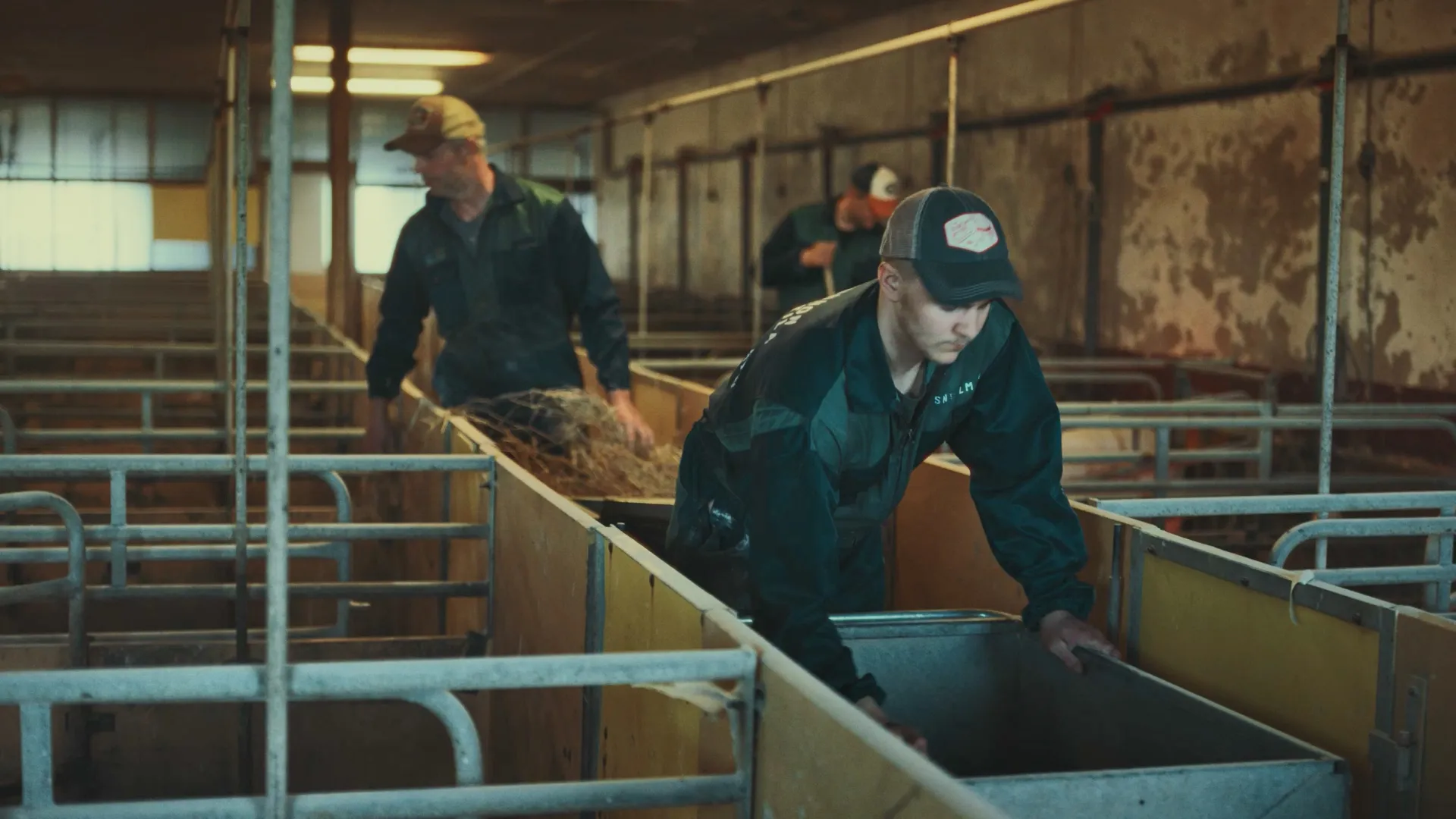
Snellman sources its meat from a relatively small geographical area. This supports close cooperation with farms and can help with planned transport arrangements. Shorter transport distances can also support animal handling and follow‑up, as part of broader animal‑welfare routines.
Snellman cooperates with partners such as Figen in breeding and production development. The breeding work focuses on defined goals and long‑term development of traits such as piglet vitality, sow maternal traits and overall robustness, together with follow‑up of animal health and performance.
In parallel, feeding strategies are developed over time. This can include exploring domestic protein sources, such as legumes, as part of broader feeding work. Feed choices and development are evaluated through agreed criteria and follow‑up, including effects on production performance and product characteristics.
The aim of this long‑term work is a consistent production model where animal health, feeding and production outcomes are followed and improved step by step, based on documented routines.
Snellman’s quality and food safety work is supported by training and consistent routines. Personnel receive training in meat production, hygiene practices, food safety requirements and processing methods, helping maintain consistent operations across production.
This ensures that every step of the process meets the highest standards of hygiene and safety, reinforcing trust in our meat production.